The application season is on, December is just round the corner …and university deadlines are coming up soon. So, here is our much awaited blog for university application deadlines for fall 2018.
Our list covers 128 universities with deadlines ranging from November 2017 all the way up to July 2018. At the end is a section on universities with rolling deadlines (click here to find out what is meant by rolling deadlines).
Remember that US universities update deadlines on their websites at different times during the academic year so, we will update this blog to keep up with changes on their official websites. We have compiled a list of university deadlines with utmost care, however, we request you to kindly cross check the dates displayed on official websites of the university.
Presenting the first in our round of deadline alerts.
Important Question: “Do you know which university you should apply to?”
A deadline is of use only if you know what university you should apply to. For those of you who are not too clear, here is how to decide:
1. Talk to seniors and decide which specialization you should apply for (examples: Networking, Data Bases etc. for Computer Engineers; Digital Signal Processing, VLSI etc. for Electronics and Telecommunications Engineers; MEMS, Robotics etc. for Mechanical Engineers)
2. To find out which universities or colleges offer the specialization you want, go to online.dilipoakacademy.com and look up your college or university in the University Information feature. All you have to do is select a university from the list of the top 220 provided (these have been selected by Mr. Dilip Oak) and you will get a list of departments and courses available. Click here to see. Registration is free and is open to all! (For more details on how to select a university see our ‘Selecting the Right American University for Your MS in the US’ blog)
3. To plan your application process, check the general deadlines given in this blog. This will give you an idea of how much time you have and how to go about applying.
Good luck and if your university is not in the list provided, keep looking for it. We will be updating this blog.
Deadlines in November
- University of Pennsylvania – 15-Nov
- University of South Carolina, Columbia – 1-Nov
Deadlines in December
- University of Colorado, Boulder – 1-Dec
- Ohio University, Athens – 15-Dec
- Temple University – 15-Dec
- University of California, Irvine – 15-Dec
- University of California, San Diego – 15-Dec
- University of California, Santa Barbara – 15-Dec
- University of Illinois, Urbana Champaign – 15-Dec
Deadlines in January
- Indiana University, Bloomington – 1-Jan
- Louisiana State University, Baton Rogue – 1-Jan
- Worcester Polytechnic Institute – 1-Jan
- Indiana University Purdue University – 2-Jan
- Rensselaer Polytechnic Institute – 2-Jan
- Kansas State University – 8-Jan
- Washington State University, Pullman – 10-Jan
- Northeastern University, Boston – 15-Jan
- Texas Tech University – 15-Jan
- Tufts University – 15-Jan
- University of Alaska, Fairbanks – 15-Jan
- University of California, Riverside – 15-Jan
- University of Central Florida – 15-Jan
- University of Cincinnati – 15-Jan
- University of Pittsburgh – 15-Jan
- University of Texas, Dallas – 15-Jan
- University of Virginia, Charlottesville – 15-Jan
- Vanderbilt University – 15-Jan
- Illinois Institute of Technology, Chicago – 31-Jan
Deadlines in February
- Case Western Reserve University – 1-Feb
- Texas State University – 1-Feb
- University of Alabama, Tuscaloosa – 1-Feb
- University of Florida, Gainesville – 1-Feb
- University of Tennessee, Knoxville – 1-Feb
- University of Tulsa – 1-Feb
- Eastern Michigan University – 15-Feb
- Florida Atlantic University – 15-Feb
- Florida International University – 15-Feb
- New Mexico Institute of Mining and Technology – 15-Feb
- Polytechnic Institute of New York University, Brooklyn – 15-Feb
- South Dakota School of Mines & Tech – 15-Feb
- University of Montana – 15-Feb
- University of Rochester – 15-Feb
- University of San Francisco – 15-Feb
Deadlines in March
- California State University, Chico – 1-Mar
- California State University, Sacramento – 1-Mar
- Central Michigan University – 1-Mar
- New Mexico State University, Las Cruces – 1-Mar
- North Carolina State University – 1-Mar
- Portland State University – 1-Mar
- San Francisco State University – 1-Mar
- State University of New York, Albany – 1-Mar
- University of North Carolina, Charlotte – 1-Mar
- University of Texas, El Paso – 1-Mar
- Boston University – 15-Mar
- University of Colorado, Denver – 15-Mar
- University of Kentucky, Lexington – 15-Mar
- Wright State University, Dayton – 15-Mar
Deadlines in April
- California State University, Fullerton – 1-Apr
- California State University, Los Angeles – 1-Apr
- Idaho State University – 1-Apr
- Missouri University of Science & Technology – 1-Apr
- Oregon State University, Corvallis – 1-Apr
- San Jose State University – 1-Apr
- Santa Clara University 1-Apr
- Tennessee Technological University – 1-Apr
- University of Alabama, Huntsville – 1-Apr
- University of Houston, Clear Lake – 1-Apr
- University of North Texas, Denton – 1-Apr
- University of Texas, Arlington – 1-Apr
- University of Texas, San Antonio – 1-Apr
- Villanova University – 1-Apr
- Virginia Polytechnic Institute & State University – 1-Apr
- Western Michigan University, Kalamazoo – 1-Apr
- Wichita State University – 1-Apr
- California State University, Long Beach – 15-Apr
- Georgia State University – 15-Apr
- Lamar University – 15-Apr
- Old Dominion University, Norfolk – 15-Apr
- South Dakota State University, Brookings – 15-Apr
- Stevens Institute of Technology – 15-Apr
- University of Georgia – 15-Apr
Deadlines in May
- City University of New York, City College – 1-May
- Clarkson University – 1-May
- Illinois State University, Normal – 1-May
- Mississippi State University – 1-May
- Northern Illinois University, Dekalb – 1-May
- Oakland University, Rochester – 1-May
- University of Idaho, Moscow – 1-May
- University of Memphis – 1-May
- University of Michigan, Dearborn – 1-May
- University of Nevada, Las Vegas – 1-May
- University of New Mexico, Albuquerque – 1-May
- University of North Dakota, Grand Forks – 1-May
- Wayne State University – 1-May
- Western Illinois University – 1-May
- Boise State University – 15-May
- Montana State University, Bozeman – 15-May
- Southern Methodist University – 15-May
- University of Louisiana, Lafayette – 15-May
- Lawrence Technological University – 22-May
Deadlines in June
- California State University, Fresno – 1-Jun
- Florida Institute of Technology – 1-Jun
- Kent State University – 1-Jun
- Louisiana Tech University, Ruston – 1-Jun
- Monmouth University 1-Jun
- New York Institute of Technology – 1-Jun
- Syracuse University – 1-Jun
- Texas A & M University, Kingsville – 1-Jun
- University of Arkansas, Fayetteville – 1-Jun
- University of Arkansas, Little Rock – 1-Jun
- University of Detroit, Mercy – 1-Jun
- University of Illinois, Springfield – 1-Jun
- Drexel University – 13-Jun
- California State University, Northridge – 15-Jun
- George Mason University, Fairfax – 15-Jun
- Marist College, Poughkeepsie – 15-Jun
- Tulane University – 15-Jun
Deadlines in July
- Florida State University – 1-Jul
- Minnesota State University, Mankato – 1-Jul
- Arkansas State University – 3-Jul
- Southern Illinois University, Edwardsville – 15-Jul
- University of Bridgeport, Bridgeport – 15-Jul
- University of South Alabama, Mobile – 15-Jul
Rolling Deadlines
- Marquette University
- Oklahoma City University
- Rochester Institute of Technology
- State University of New York, Binghamton
- University of Denver
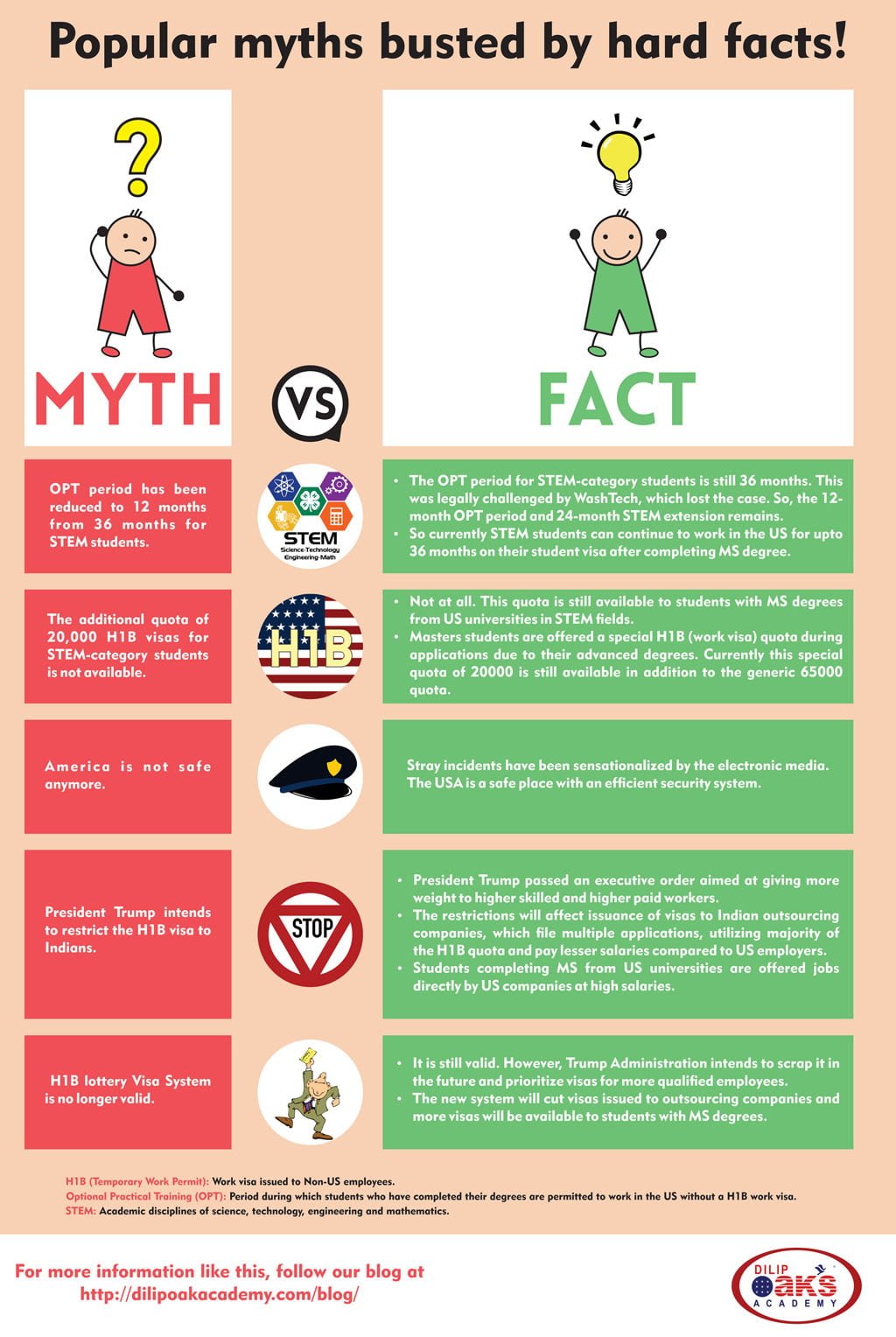
Optional Practical Training (OPT)
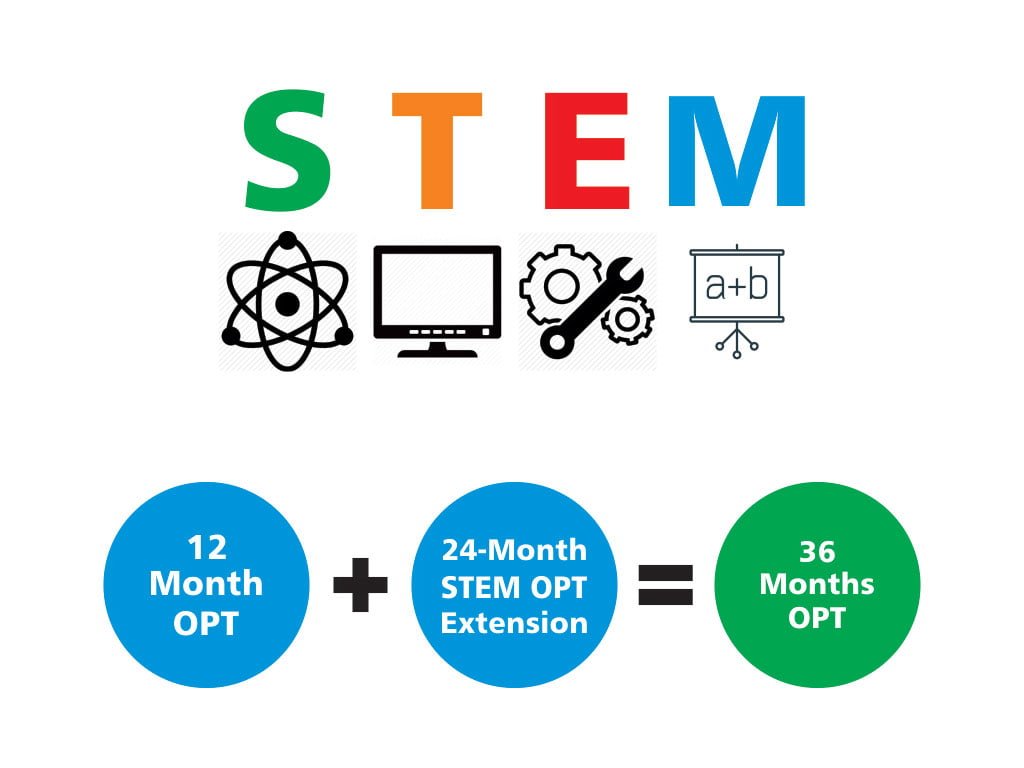
12 Months: Granted to students on F1 (student) visa status completing undergraduate (BS/BA) or graduate (MS/MBA) degrees
24 Months Extension: Students with degrees from STEM (Science, Technology, Engineering & Mathematics) fields
Therefore, students completing a degree from the STEM field get an OPT period of total 36 months (Regular 12 months + 24 months extension), permitting them to work in the US without H1B visa.
 OPT is a temporary employment authorization that is directly related to a student’s area of study. Students pursuing their education in the US on student (F1) visa are eligible to work in the US under the F1-OPT visa program, which gives them an opportunity to apply the education obtained in an academic degree to a practical work experience.
A federal judge has dismissed a lawsuit brought by the Washington Alliance of Technology Workers (WashTech) that challenged the STEM OPT regulations that allow F1 visa holders who have degrees in STEM fields to extend their one-year Optional Practical Training (OPT) period for an additional 24 months.
The dismissal ends this lawsuit, and the current rules governing 12-month OPT and the 24-month extension for students from STEM fields remain in place.
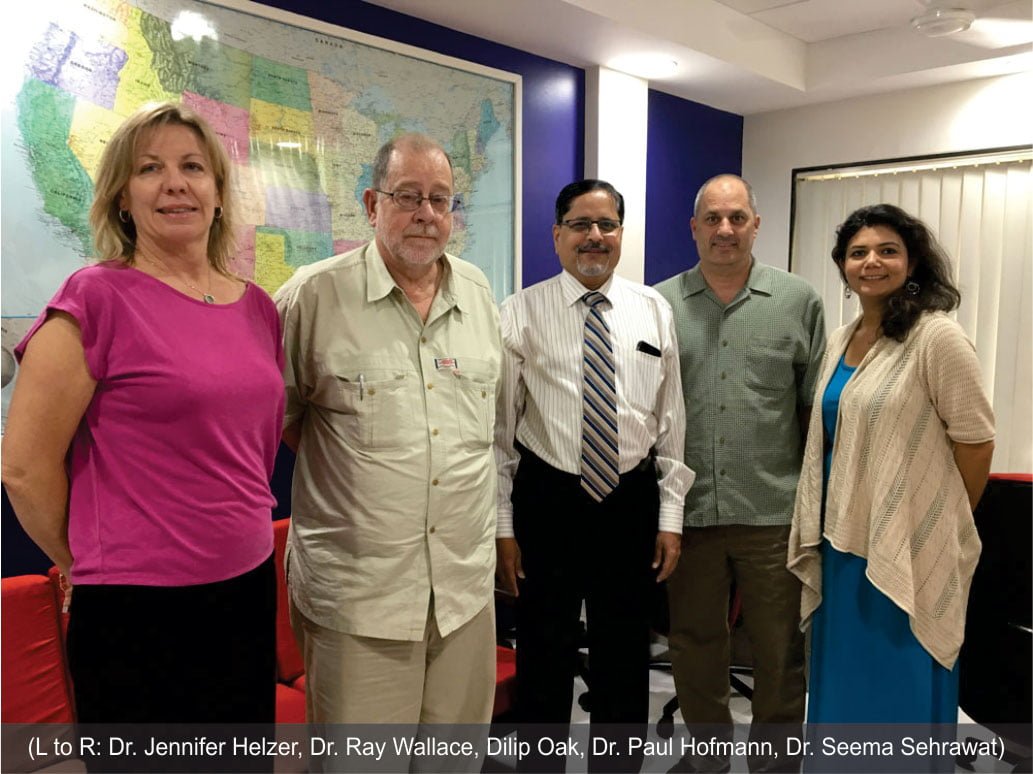
A four-member team representing four campuses of California State University visited Dilip Oak’s Academy, at Bhandarkar Road, on Tuesday, 11th April 2017. The visiting delegation comprised:
Dr. Ray Wallace
Executive Director (International Programs and Senior International Officer)
California State University, East Bay
Dr. Paul Hofmann
Associate VP (International Programs and Global Engagement)
California State University, Sacramento
Dr. Jennifer Helzer
Director – International Education
California State University, Stanislaus
Dr. Seema Sehrawat
Associate Professor and International Officer
California State University, Chico
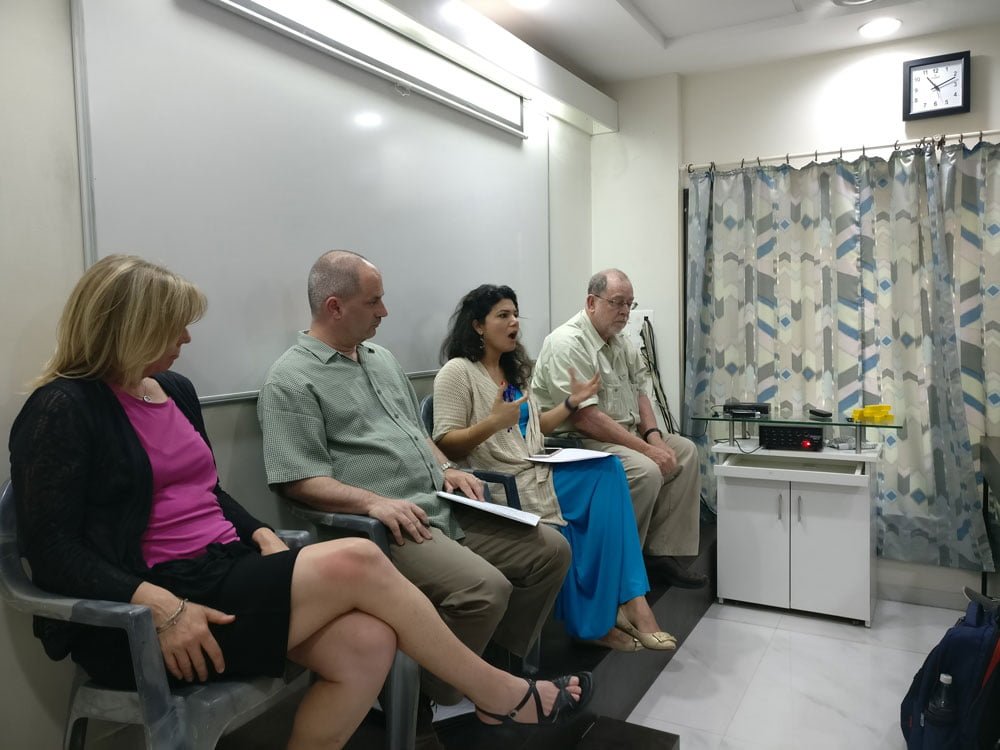
The university officials addressed the students on a variety of topics that were important and relevant to the latter. They also took their questions and generally dwelt on the challenges they were likely to face as graduate students in the US. They spoke with students on resource management, coping with academic pressures, on-campus employment opportunities, and safety-related issues.
 Dr. Ray Wallace dwelt on three topics: employment opportunities in the US after MS, the dynamic of the H1B immigration regulations, and what he called the “Trump effect.”
Dr. Wallace expressed the view that employment opportunities in the US after MS, particularly in the IT sector were “spectacular”. He revealed that companies were hiring university graduates “aggressively” and that job opportunities in the US at present were “strong”. Dr. Wallace predicted that economic growth during the next couple of years “will stay positive”.
Dwelling on the dynamic of the H1B immigration regulations, Dr. Wallace was of the opinion that the Trump Administration did not have problems with overseas students coming to US universities, and added that it had issues with contracting and consulting companies like Wipro, Tata Consultancy Services, etc., which he pointed out had historically netted a large percentage of H1B visas from the quota allocated to Indians.
Seeking to allay the fears of students in general, Dr. Wallace assured them that change comes slowly with regard to regulations in the US and that change will be positive for university graduates. These changes will only present university graduates with more job opportunities, higher salaries, and less resistance in the immigration context.
Referring to what he called the “Trump effect”, Dr. Wallace shrugged off rhetoric of the US President during his election campaign and stated that he was a different man when he interacted with IT majors in the US. Dr. Wallace quipped, “Trump doesn’t speak like that to Bill Gates or people from other major IT companies like Apple,” and added that as a businessman himself, Trump understood and seemed to be sympathetic to the pleas of heads of IT companies for flexibility in immigration-related regulations as they needed to hire people from abroad. Therefore, Dr. Wallace said that change will only be positive for higher education, especially for students with master’s and PhD degrees in the STEM category.
Dr. Paul Hoffman pointed out that there was a wide range of on-campus jobs up for grabs for graduate students who chose to take up a job during their second or third semester. These included academic and non-academic job opportunities, he added. Dr. Hoffman said taking up an academic job on campus could lead to internship opportunities which receive academic credit for off-campus work experience.
On graduation, Dr. Hoffman revealed, one could transition to a period of practical training for 12 months. He stressed that STEM-major students could avail of an additional 24 months of off-campus employment, which would mean 36 months of practical exposure and experience for them. Dr. Hoffman stressed that students could thus make the most of the inherent privileges that would accrue to them by virtue of their H1B visas. He also disclosed that, often, such students are sponsored by their companies for an H1B visa, later, which allows them to continue working in the USA after this initial three-year period.
Dr. Seema Sehrawat spoke on the American education system. She pointed out that in the US students got a lot of practical knowledge. She said whenever she spoke with students of Computer Science, Computer Engineering, Electrical Engineering, and even MBA, all of them talked about how they greatly valued the practical basis of the education system in the US. Dr. Sehrawat did sound a note of caution on how this could pose a challenge initially to Indian students who are more accustomed to theory-oriented studies in India.
She pointed out that American professors were generally very dedicated and always there for their students. Referring to the current political climate, Dr. Sehrawat advised students not to go by heresay or exaggerated media reportage. She urged them to focus on their future and think of what the American system had to offer to them. Speaking of California, she emphasised that California was “quite safe” and added that it was a “melting pot” that welcomed diversity.
 Against the backdrop of attacks on Indians in the US, the experts pointed out that Indians staying in the US should be well aware of their surroundings and make the correct decision regarding matters such as whether or not stay out late at night. Untoward incidents occur usually late at night after partying. Therefore, it is advisable not to put oneself in such vulnerable positions.
University campuses and its surroundings, they stressed, are safe and every campus has a highly organised and professional police department. Every university is particular about student safety and makes it its top priority, they pointed out. The American people, they specially emphasized, are very supportive of cultural diversity. Sensational media reports usually refer to stray incidents in some trouble spots of the US such as the “Midwest” and some of the southern parts of the country.
Stressing security and safety, Dr. Sehrawat, speaking from her personal experience as an expatriate Indian, opined that American people in general were kind hearted and welcoming, and that one could easily make friends with them.
The visiting delegation of California State University officials spent a couple of hours interacting with students at Dilip Oak’s Academy. They gave students their calling cards and encouraged them to meet them when they joined their colleges.