
The application season is on and December is just around the corner. Here is our much-awaited blog for university application deadlines for fall 2020.

Following a list of universities with deadlines ranging from November 2019 all the way up to July 2020. At the end is a section on universities with rolling deadlines (click here to find out what is meant by rolling deadlines).
We have compiled a list of university deadlines with utmost care. However, remember that US universities may update deadlines on their websites at different times during the academic year so, we request you to cross-check the dates on official websites of the university.
| University | Deadline |
| Deadlines in November | |
| University of South Carolina, Columbia | 1-Nov |
| University of Pennsylvania | 15-Nov |
| Deadlines in December | |
| Arizona State University | 1-Dec |
| Howard University | 1-Dec |
| University of Colorado, Boulder | 1-Dec |
| Mass Institute of Technology | 15-Dec |
| Temple University | 15-Dec |
| University of California, Irvine | 15-Dec |
| University of California, San Diego | 15-Dec |
| University of California, Santa Barbara | 15-Dec |
| University of Illinois, Urbana Champaign | 15-Dec |
| Deadlines in January | |
| Dartmouth College | 1-Jan |
| Duke University | 1-Jan |
| Rensselaer Polytechnic Institute | 2-Jan |
| Kansas State University | 8-Jan |
| Washington State University, Pullman | 10-Jan |
| Carnegie Mellon University | 15-Jan |
| George Washington University | 15-Jan |
| Northeastern University, Boston | 15-Jan |
| Texas Tech University | 15-Jan |
| Tufts University | 15-Jan |
| University of Central Florida | 15-Jan |
| University of Cincinnati | 15-Jan |
| University of Michigan, Ann Arbor | 15-Jan |
| University of Pittsburgh | 15-Jan |
| University of Southern California | 15-Jan |
| University of Virginia, Charlottesville | 15-Jan |
| Vanderbilt University | 15-Jan |
| Indiana University | 31-Jan |
| Deadlines in February | |
| Case Western Reserve University | 1-Feb |
| Ohio University | 1-Feb |
| Oklahoma State University | 1-Feb |
| University of Alabama, Tuscaloosa | 1-Feb |
| University of Florida, Gainesville | 1-Feb |
| University of Kentucky | 1-Feb |
| Western Illinois University | 1-Feb |
| Columbia University | 15-Feb |
| Florida Atlantic University | 15-Feb |
| New Mexico Institute of Mining and Technology | 15-Feb |
| Polytechnic Institute of New York University, Brooklyn | 15-Feb |
| South Dakota School of Mines & Tech | 15-Feb |
| University of Illinois Chicago | 15-Feb |
| University of Massachusetts, Dartmouth | 15-Feb |
| University of Montana | 15-Feb |
| University of Rochester | 15-Feb |
| University of San Francisco | 15-Feb |
| University of South Florida | 15-Feb |
| Deadlines in March | |
| California State University, Sacramento | 1-Mar |
| California State University, Chico | 1-Mar |
| Central Michigan University | 1-Mar |
| City University of New York | 1-Mar |
| Colorado School of Mines | 1-Mar |
| Idaho State University | 1-Mar |
| New Mexico State University | 1-Mar |
| Portland State University | 1-Mar |
| San Francisco State University | 1-Mar |
| State University of New York, Albany | 1-Mar |
| Texas Technological University | 1-Mar |
| University of Alaska Fairbanks | 1-Mar |
| University of Nebraska Lincoln | 1-Mar |
| University of Oklahoma, Tulsa | 1-Mar |
| University of Texas, El Paso | 1-Mar |
| Boston University | 15-Mar |
| Brown University | 15-Mar |
| Chicago State University | 15-Mar |
| University of Texas Arlington | 15-Mar |
| Deadlines in April | |
| Arkansas State University | 1-Apr |
| California State University, Fullerton | 1-Apr |
| California State University, Los Angeles | 1-Apr |
| Idaho State University | 1-Apr |
| Oregon State University | 1-Apr |
| San Diego State University | 1-Apr |
| San Jose State University | 1-Apr |
| University of North Texas | 1-Apr |
| University of Oklahoma | 1-Apr |
| University of Texas, San Antonio | 1-Apr |
| University of Utah | 1-Apr |
| University of Virginia | 1-Apr |
| Virginia Tech | 1-Apr |
| West Virginia University | 1-Apr |
| Western Michigan University, Kalamazoo | 1-Apr |
| Wichita State University | 1-Apr |
| California State University, Long Beach | 15-Apr |
| Clemson University | 15-Apr |
| Georgia State Univ | 15-Apr |
| Louisiana State University | 15-Apr |
| Old Dominion University | 15-Apr |
| South Dakota State University | 15-Apr |
| Stevens Institute of Technology | 15-Apr |
| University of Georgia | 15-Apr |
| Youngstown State University | 15-Apr |
| Deadlines in May | |
| Clarkson University | 1-May |
| Eastern Michigan University | 1-May |
| Grand Valley University | 1-May |
| Illinois State University | 1-May |
| Indiana University Purdue University, Indianapolis | 1-May |
| Minnesota State University | 1-May |
| Mississippi State University | 1-May |
| New Jersey Institute of Technology | 1-May |
| North Carolina State University | 1-May |
| Northern Illinois University | 1-May |
| Tennessee Technological University | 1-May |
| University of Dayton | 1-May |
| University of Idaho | 1-May |
| University of Louisville | 1-May |
| University of Memphis | 1-May |
| University of Michigan, Dearborn | 1-May |
| University of Nevada, Las Vegas | 1-May |
| University of New Haven | 1-May |
| University of New Mexico | 1-May |
| University of North Dakota | 1-May |
| University of Texas Dallas | 1-May |
| Wayne State University | 1-May |
| Boise State University | 15-May |
| Cleveland State University | 15-May |
| Montana State University | 15-May |
| Southern Methodist University | 15-May |
| University of Colorado, Denver | 15-May |
| University of Louisiana, Lafayette | 15-May |
| University of Tennessee, Knoxville | 15-May |
| Lawrence Technological University | 26-May |
| California State University, Northridge | 31-May |
| Deadlines in June | |
| California State University, East Bay | 1-Jun |
| California State University, Fresno | 1-Jun |
| Louisiana Technological University | 1-Jun |
| Middle Tenn State University | 1-Jun |
| North Dakota State University | 1-Jun |
| Santa Clara University | 1-Jun |
| Syracuse University | 1-Jun |
| Texas A & M University, Kingsville | 1-Jun |
| Texas State University | 1-Jun |
| University of Alabama, Huntsville | 1-Jun |
| University of Arizona | 1-Jun |
| University of Arkansas, Fayetteville | 1-Jun |
| University of Arkansas, Little Rock | 1-Jun |
| University of California, Riverside | 1-Jun |
| University of Detroit, Mercy | 1-Jun |
| University of Houston, Clear Lake | 1-Jun |
| University of Illinois, Springfield | 1-Jun |
| University of Massachusetts, Boston | 1-Jun |
| University of New Orleans | 1-Jun |
| University of Southern Mississippi | 1-Jun |
| Florida Institute of Technology | 8-Jun |
| Drexel University | 13-Jun |
| Auburn University | 15-Jun |
| California State University, Northridge | 15-Jun |
| Illinois Institute of Technology | 15-Jun |
| Kent State University | 15-Jun |
| Marist College, Poughkeepsie | 15-Jun |
| Missouri University of Science & Technology | 15-Jun |
| Tulane University | 15-Jun |
| Villanova University | 30-Jun |
| Deadlines in July | |
| Florida International University | 1-Jul |
| Florida State University | 1-Jul |
| George Mason University | 1-Jul |
| Lamar University | 1-Jul |
| New York Institute of Technology | 1-Jul |
| Southern Illinois University, Edwardsville | 1-Jul |
| State University of New York, Albany | 1-Jul |
| University of South Alabama | 1-Jul |
| Monmouth University | 15-Jul |
| Oakland University | 15-Jul |
| University of Bridgeport | 15-Jul |
| University of Connecticut | 15-Jul |
| Rolling Deadlines | |
| Kettering University | Rolling |
| Marquette University | Rolling |
| Michigan Technological University | Rolling |
| Oklahoma City University | Rolling |
| Rochester Institute of Technology | Rolling |
| State University of New York, Binghamton | Rolling |
| University of Akron | Rolling |
| University of Alabama, Birmingham | Rolling |
| University of Denver | Rolling |
| University of Massachusetts, Lowell | Rolling |
| University of North Carolina, Charlotte | Rolling |
| University of Tulsa | Rolling |
| Worchester Polytechnic University | Rolling |
| Wright State University | Rolling |
As the GRE® test is computer-delivered; the test-taker has to be comfortable with solving questions on the screen. After years of appearing for paper-based tests, this may be a little daunting for the average college student in India. One of the best ways to boost your confidence on the test day is to get used to the computer-based delivery of the GRE® test.
Dilip Oak’s Academy offers an online suite of practice modules and tests. This online suite will help you prepare on the go! The suite includes Focused Practice, Test Prep, Mock Tests, and Vocabulary App and has hundreds of GRE-like questions for both the Verbal Reasoning and Quantitative Reasoning sections. A single sign-in will be your key to unlocking all the online features.
FOCUSED PRACTICE
(Available for our GRE® coaching students only)
- Reinforcement of the classroom coaching by helping you keep in sync with the concepts, tricks, and tips taught in the class
- 400+ questions for Verbal and Quantitative Reasoning
- Topic-wise questions for Quantitative and Verbal Reasoning
STUDY PLANS
(Available for our GRE® coaching students only)
- Carefully designed according to your GRE® test date
- Wide variety of plans — one month to four months
- Sent directly to your inbox: a detailed preparation method with built-in milestones to help measure your progress
- Regular reminders to help you prepare for the GRE® test in a more systematic manner
TEST PREP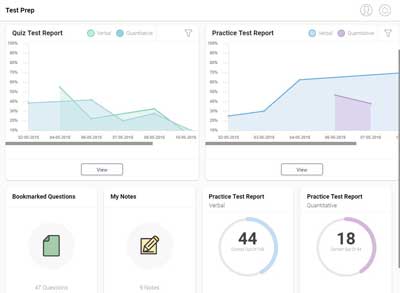
- Personalized Dashboard to track your progress
- Customized according to the question types and difficulty level
- Convenient timed and untimed modes for practice
- Instant Review and question summary
- In-depth explanatory answers to gauge where you stand
 MOCK TESTS
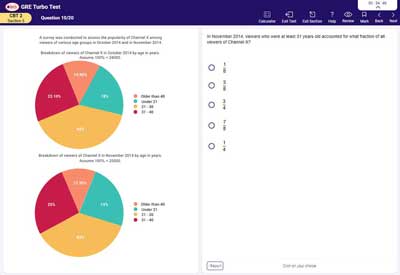
- Actual GRE® test experience with full-length timed tests according to the ETS® pattern
- Analytical Writing section: Get essay scores and personalized feedback by our experienced evaluators
- Detailed Analysis: question by question break up of your performance to help you gauge your strengths and weaknesses
- Explanatory Review: help you understand what went wrong and how to get it right the next time
View our Plans & Pricing for Oak’s Online GRE Prep Tools
VOCABULARY APP
- 1500 high-frequency GRE® words
- Images illustrating the meaning of words
- Sample sentences, and audio and text pronunciation
- An interactive audio-visual tool with test mode